From an official announcement: Official venue pages.
Dubai is often introduced from above: towers, terraces and tasting menus suspended somewhere around the clouds. To understand the city properly, come back down to street level. Its foundational dining rooms sit beside trading streets, fishing harbours and neighbourhoods where new arrivals recreated the food they missed from home. In Dubai the word local cannot be reduced to a single cuisine; the city's table was shaped by Emirati homes, Iranian trading families, South Asian migration, Levantine cafeterias and the harbour. These six follow that broader idea of place. None has been visited by us for this guide; the practical details come from the official pages and are dated below.
Ravi Restaurant, Satwa
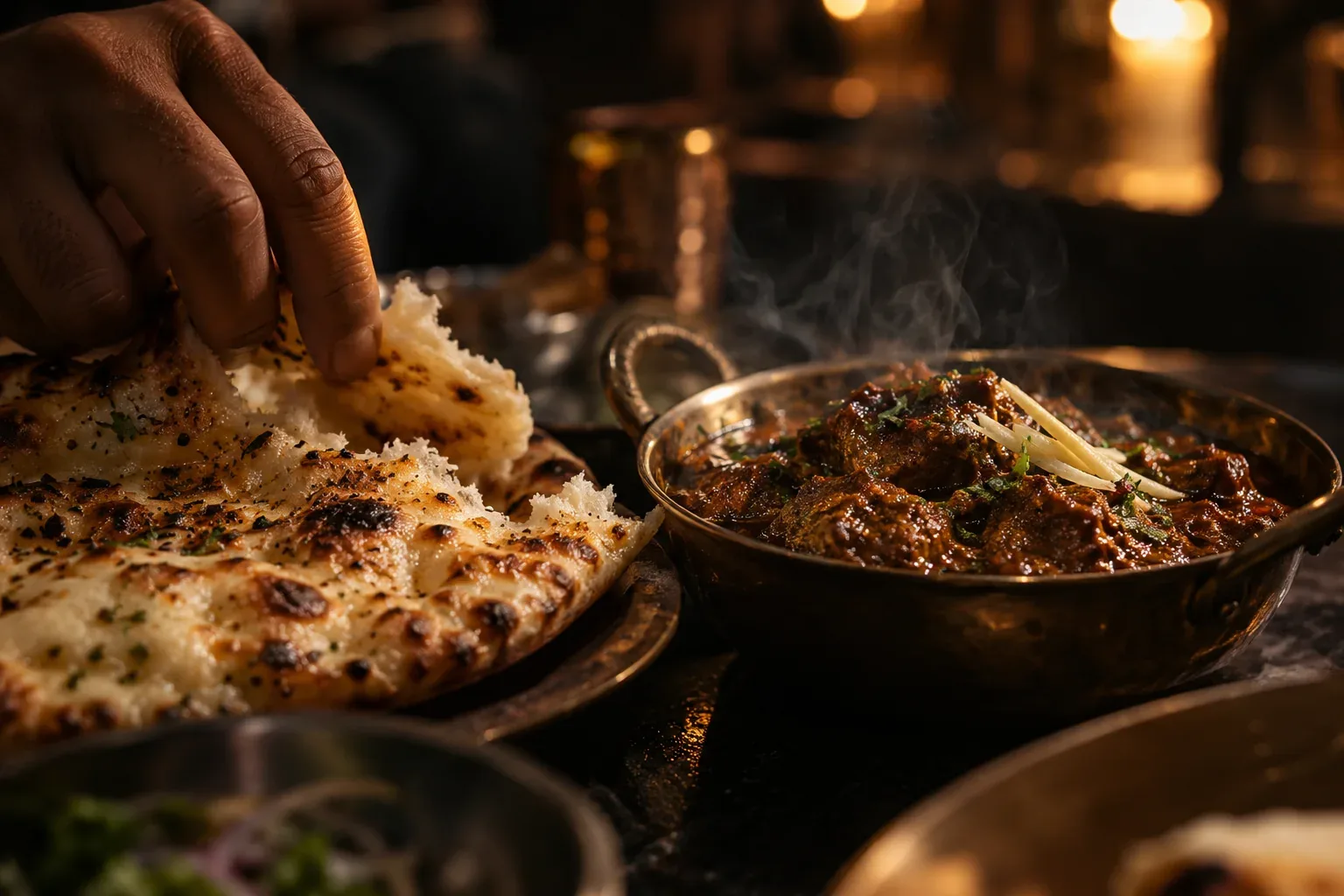
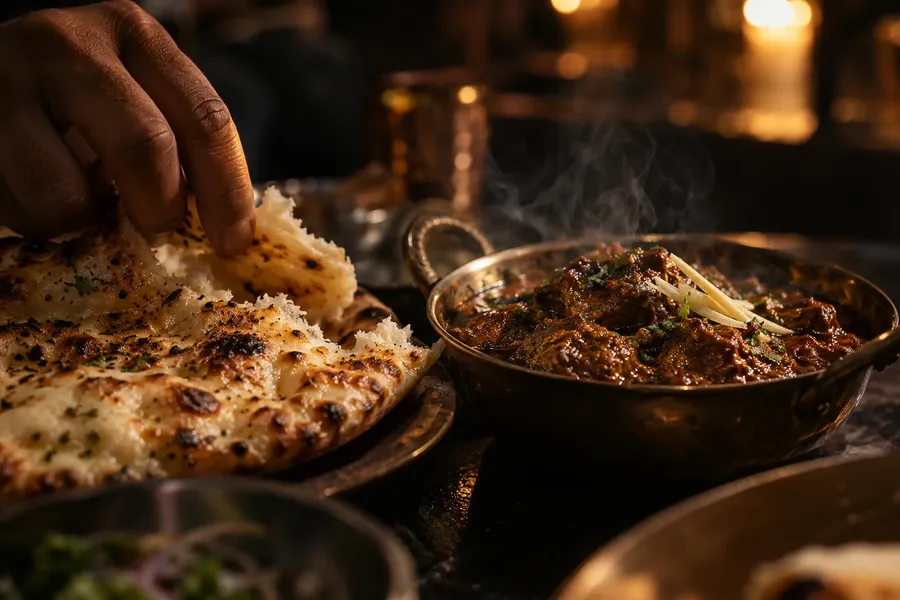
Ravi is part of Dubai's definition. Its story starts in Lahore in 1978 and the Satwa institution has passed through three generations, carrying family recipes into one of the city's most democratic dining rooms. Charcoal smoke drifts from the tandoor, metal dishes crowd the tables, and dinner can cost less than a single cocktail in Downtown. Come for slow-cooked nihari, chapli kebab, blistered naan and mutton biryani fragrant with spice rather than ceremony. Ravi's great luxury is continuity: nearly half a century of feeding taxi drivers, chefs, artists, office workers and visitors at adjoining tables. Order nihari, chapli kebab, mutton biryani and fresh naan; go late in the evening, when Satwa is fully awake. Open daily 6am to 2am.
Al Mallah, Satwa
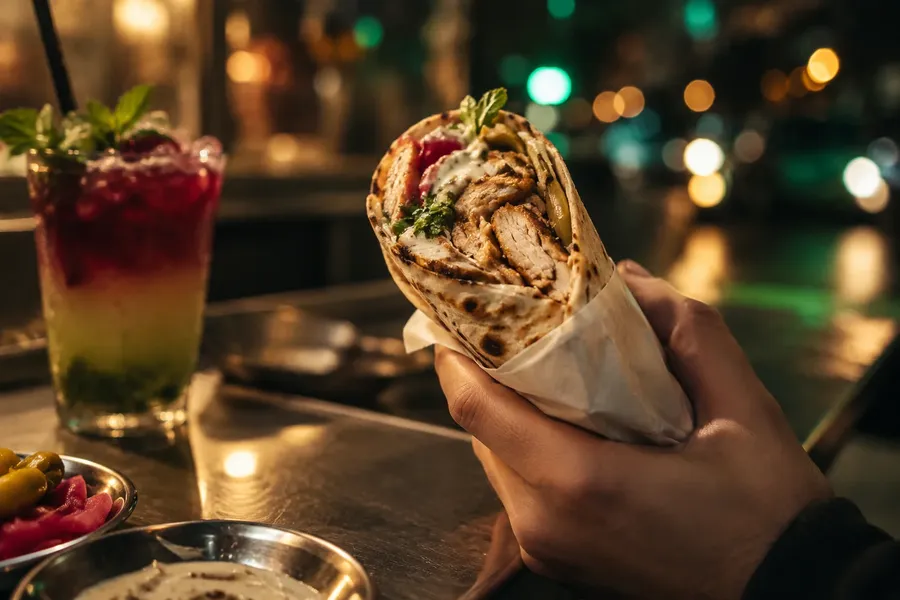
In 1979, Al Mallah began as a juice counter on a Satwa street corner. It grew into a Lebanese institution without losing the elements that made it beloved: glowing green signage, fast-moving shawarma spits, pavement tables and fruit cocktails so extravagantly coloured they look almost theatrical. Order a chicken shawarma wrapped tightly with garlic sauce and pickles, add falafel or mixed grills, then finish with a layered fruit cocktail. The tables beside 2nd December Street offer their own form of dinner theatre: buses, bicycles, families and the city's nocturnal choreography passing inches away. Go after dark; the neon is part of the experience. Open until 2am every night.
Al Ustad Special Kabab, Bur Dubai
There are restaurants designed to look storied, and there is Al Ustad. Serving Persian kebabs and rice since 1978, this Bur Dubai landmark on Al Musalla Road wears its history everywhere: walls crowded with photographs, celebrity portraits and decades of evidence that people came, ate and returned. The order is gloriously direct: marinated meat, charcoal, buttered rice and restraint everywhere else. Yoghurt-marinated kebabs arrive smoky and tender, with tomatoes blistered at the edges. The room is compact and the welcome disarming. It feels less like discovering a restaurant than being admitted briefly into Dubai's family album. Order the mixed kebab platter with saffron rice and grilled tomatoes; go early, or prepare to wait for a table.
Arabian Tea House, Al Fahidi
Behind turquoise doors in Al Fahidi, Arabian Tea House occupies the shaded courtyard of a former pearl merchant's home. It opened in 1997, and long-time visitors still call it the Basta Art Café; it became one of the city's most graceful introductions to Emirati cooking. White rattan chairs sit beneath trees and billowing fabric; birdsong and the movement of the courtyard soften the city outside. Breakfast is the moment to come: regag bread, balaleet, khameer, eggs with tomato and fragrant karak served without hurry. The setting recalls the domestic scale of Dubai before glass towers became its global signature. Order an Emirati breakfast tray, chebab and karak, in the morning before the courtyard fills. Open daily 7am to 11pm.
Bu Qtair, Fishing Harbour 2
Bu Qtair's origin story belongs to Dubai's coastline rather than its skyline. The restaurant developed from a modest operation that fed the fishermen of Jumeirah, long before its plastic tables and spiced seafood acquired international fame. Choose from the available fish and prawns, decide how much you want, then wait for everything to emerge fried, bronzed and heavily seasoned. There is no delicate choreography, only crisp fish, spicy prawns, paratha and curry eaten close to the working harbour. Dubai has changed spectacularly around it, yet Bu Qtair still feels like a seaside meal never designed as an experience. Order whatever fish is freshest, plus prawns, curry and paratha; go just before sunset, then let the evening unfold slowly.
Delhi Restaurant, Al Murar
Delhi Restaurant has served Deira since 1978, drawing its culinary identity from Karachi's old Burns Road food district. Its signature nihari is cooked slowly overnight in the pot until the gravy becomes dark, glossy and intense enough to stop conversation for a moment, and arrives with rumal roti. This is the Deira of wholesale shops, trading families and meals built for people with little interest in fashionable restraint. The restaurant's name suggests one city, its recipes recall another and its history belongs to Dubai. Few places express the region's intertwined migrations more honestly. Order nihari, biryani and hot naan, at breakfast for tradition or later for a deeply comforting dinner.
The placesEach entry has hours, address, booking and the day it was checked
Ravi Restaurant
Satwa's Pakistani institution: Lahore family recipes, charcoal smoke and one of the most democratic dining rooms in the city.
Nearly half a century of feeding taxi drivers, chefs, artists and office workers at adjoining tables, for less than a Downtown cocktail.
- Late nights
- Solo
- +1 more: Visitors in town
Al Mallah
A Satwa street corner since 1979: green neon, fast shawarma spits, pavement tables and fruit cocktails that look almost theatrical.
Dinner theatre at street level: buses, bicycles, families and the city's nocturnal choreography passing inches from your table.
- Late nights
- Solo
- +1 more: Big groups
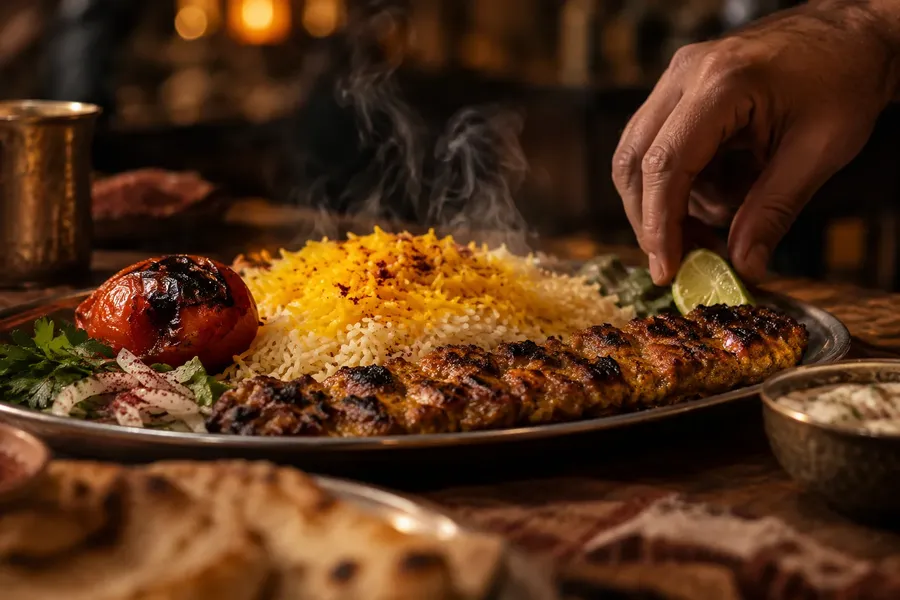
Al Ustad Special Kabab
Persian kebabs and rice in Bur Dubai since 1978, in a room whose walls carry four decades of photographs.
It feels less like discovering a restaurant than being admitted briefly into Dubai's family album.
- Solo
- Visitors in town
- +1 more: Long lunch
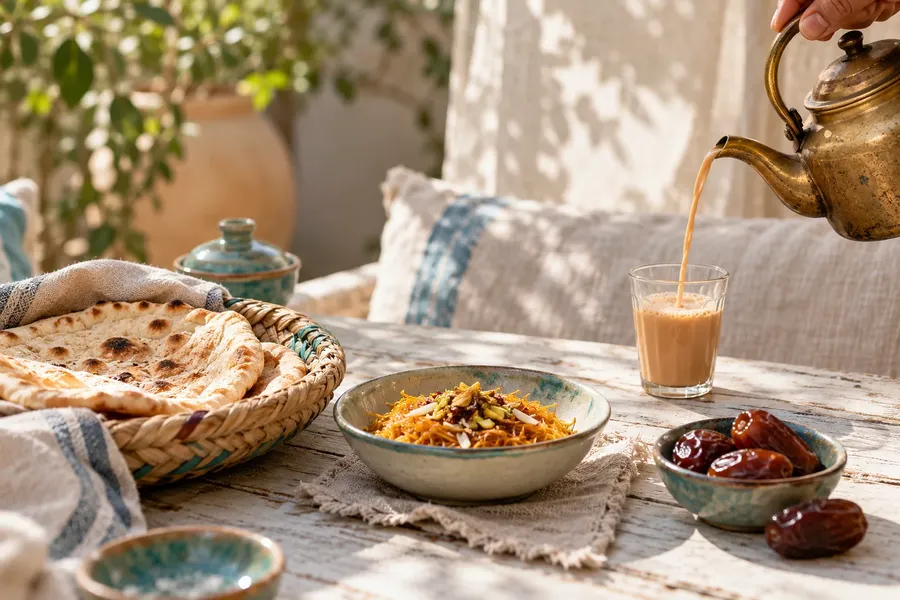
Arabian Tea House – Al Fahidi
Arabian Tea House in Al Fahidi is a heritage courtyard café serving Emirati breakfasts, rice dishes, grills, breads, sweets and tea.
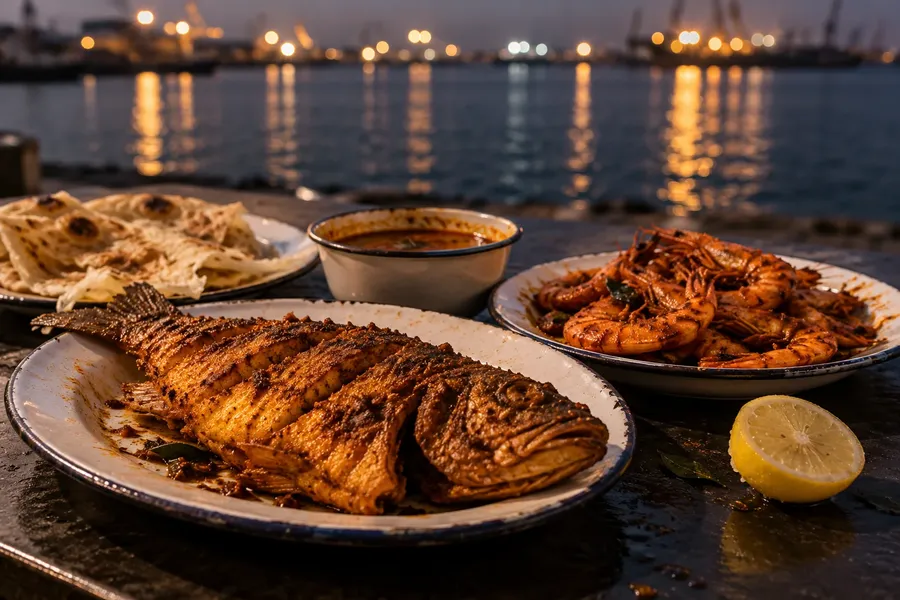
Bu Qtair
Spiced fried fish and prawns by weight beside the working harbour, from an operation that began by feeding fishermen.
A seaside meal that was never designed as an experience, in a city that has changed spectacularly around it.
- Outdoor seating
- Visitors in town
- +1 more: Solo
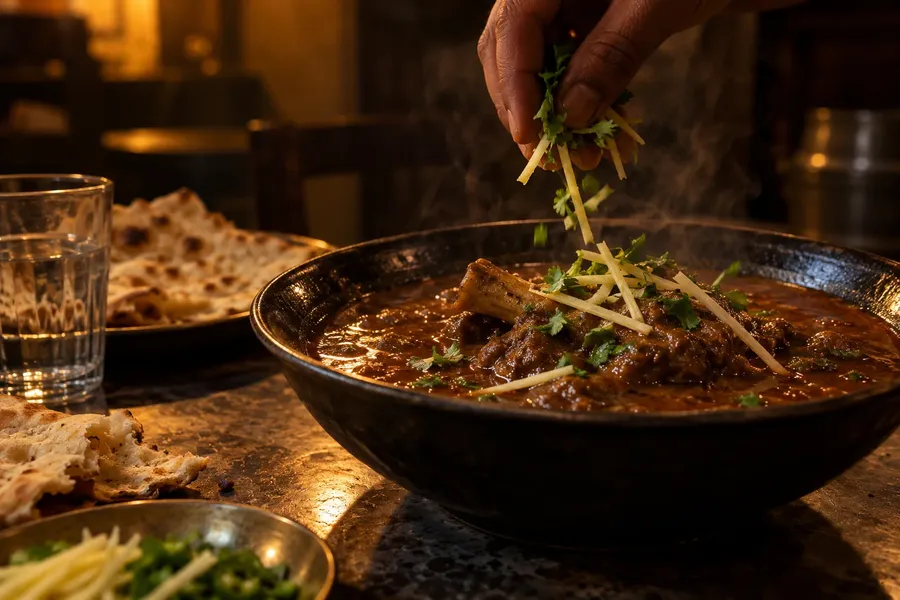
Delhi Restaurant
Deira since 1978, with recipes from Karachi's Burns Road and a nihari cooked overnight until the gravy turns dark and glossy.
The restaurant's name suggests one city, its recipes recall another and its history belongs to Dubai.